
Baby's Sensory Awakening:
A World of Discovery
Accompany your child in their encounter with the world. A fascinating journey where every texture, every sound, and every reflection builds the foundations of their intelligence and well-being.
Start ExplorationWhy is sensory awakening the foundation of development?
From the first seconds of life, your newborn is a tireless explorer. Although their senses are not yet fully mature, they constitute their only channels of communication with the outside world. Sensory awakening is not simply a series of games; it is a crucial biological process where environmental stimuli activate synapses, those neural connections that shape the brain's architecture.
By offering suitable activities within the family or at daycare, you encourage active discovery. It is not the baby who passively receives information, but a little researcher who manipulates, listens, observes, and tastes. This constant interaction nourishes their motor (learning to grab), cognitive (understanding cause and effect), and emotional (discovering what soothes or excites them) development.
On our page dedicated to Baby's Awakening and Learning, we emphasize that every sensation recorded is a brick laid for their future self-confidence and concentration ability.
The Five Doors of Perception
👁️ Sight: From blur to precision
At birth, baby sees the world as a blurry watercolor. They are particularly sensitive to high contrasts (black and white). Gradually, they distinguish faces, then primary colors like red.
Tip: Present contrasting cards at about 20-25 cm from their eyes during the first days.

👂 Hearing
Baby recognizes your voice from birth! Their hearing is already very fine, having been stimulated in utero.
- • Calm nursery rhymes soothe the heart rate.
- • "Parentese" (sing-song intonations) promotes the art of language.
✋ Touch
The most vital of senses for attachment. Skin is the newborn's largest sensory organ.
Activities: Skin-to-skin, massages with sweet almond oil, activity mats with varied textures.
👅 Taste
Innate for sweetness, taste refines during diversification. Every meal is a sensory explosion that prepares their future palate.
👃 Smell
Baby identifies their mother's scent among dozens. It is their emotional security radar. Don't hesitate to let them smell gentle aromatic herbs while cooking.
Awakening Simulator
Select your child's age to discover the sensory stimulations recommended by our experts in 2026.
The Chronological Journey of Awakening
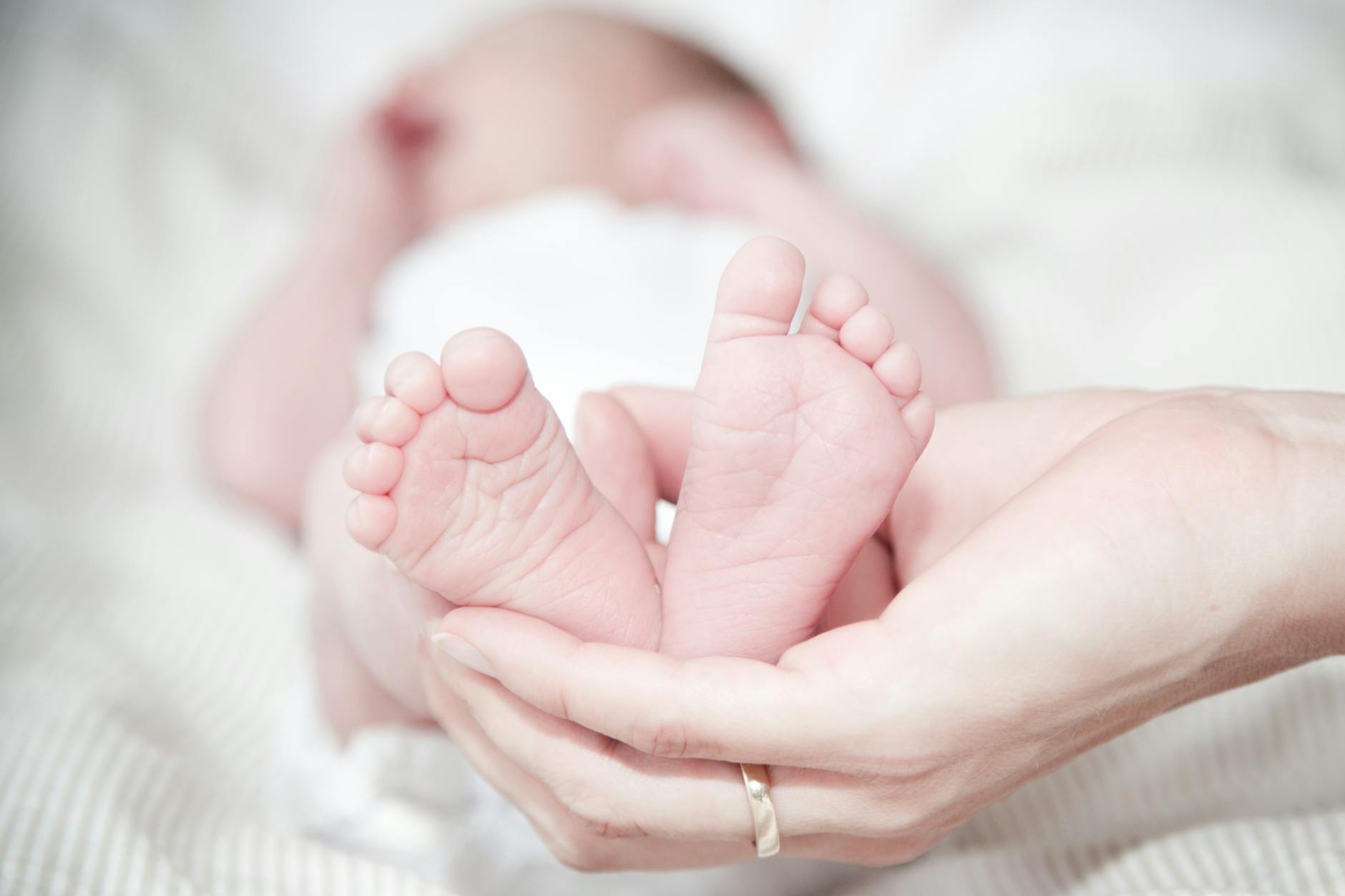
Sensory symbiosis (0-3 months)
At this stage, awakening happens through physical proximity. Primitive reflexes still dominate movements, but the senses are opening. This is the period of the first month where visual contrast and human warmth are priorities.
Key Activity: The Sensory Bath
Water at 37°C, dimmed light, and the murmur of the water. This stimulates touch and hearing while recalling life in the womb.

Exploration by hand (4-6 months)
Baby begins to coordinate their eyes and hands. This is the rise of fine motor skills. They put everything in their mouth: it's their way of "tasting" shapes and densities. We also see the appearance of the understanding of object permanence.
Key Activity: The Treasure Basket
A basket filled with everyday objects (wooden spoon, sponge, satin ribbon, pinecone). Let baby explore without intervening.
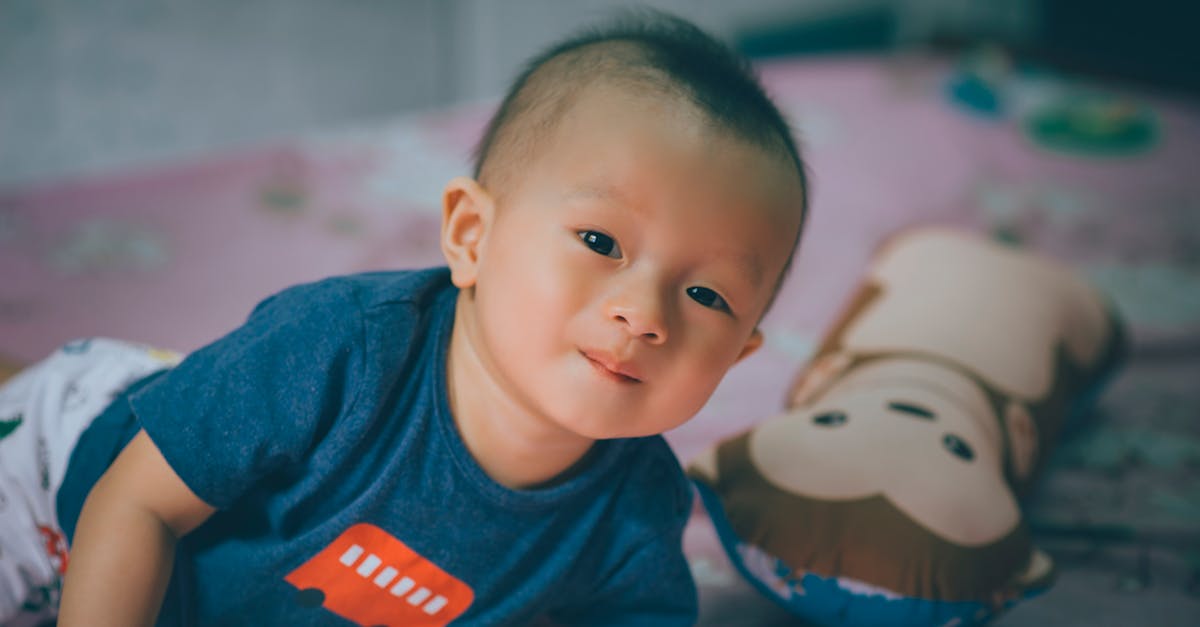
Space in three dimensions (7-12 months)
The transition to crawling revolutionizes their spatial perception. Their senses collaborate to evaluate distances and heights. Their taste palette expands drastically with diversification.
Key Activity: The Texture Mat
Create a path on the floor with different materials (synthetic grass, bubble wrap, cold tiles). Stimulates the soles of the feet and proprioception.
Safety: The Framework of Exploration
Materials & Hygiene
- ✔ Choose non-toxic certified paints and materials (CE standards).
- ✔ Objects larger than 3cm to avoid any risk of ingestion.
- ✔ Regular cleaning of toys, especially during the oral phase.
Supervision & Rhythm
- ✔ Never leave a child unsupervised with fluid sensory elements (water, sand).
- ✔ Respect signs of fatigue: if baby looks away, stop the activity.
- ✔ Avoid over-stimulation: one sense at a time is often more effective.
Daily Awakening
No need for sophisticated materials. Every moment of daily life is an opportunity for learning.
Diaper changing time
Describe your gestures, let them smell the freshness of the lotion, stroke their belly with your warm hands. A moment of intense verbal and tactile exchange.
Mealtime
It's a multi-sensory exploration. Let them touch the puree, smell the gentle spices (cinnamon, vanilla), and observe the bright colors of the vegetables.
The walk
The wind on their cheeks, the birds singing, the smell of rain on the asphalt or cut grass. Nature is the richest sensory laboratory.
Long-Term Benefits of Sensory Awakening
Brain Architecture
Strengthening of neural circuits related to memory and information analysis.
Emotional Regulation
Better ability to self-soothe and express needs thanks to refined body awareness.
Autonomy & Curiosity
A child who has explored freely will tend to be more curious and confident when faced with novelty.

Frequently Asked Questions
At what age can we start? ▼
From birth! Skin-to-skin contact is the first sensory activity. Then, from the first days, gentle visual and auditory stimulations can be integrated.
How do I know if my baby is over-stimulated? ▼
Typical signs are: looking away, getting fussy, crying for no apparent reason, or rubbing their eyes. Respect their "available brain time."
Do I need to buy expensive toys? ▼
Absolutely not. Everyday objects (fabrics, kitchen utensils, sounds of nature) are often sensory-richer than electronic plastic toys.