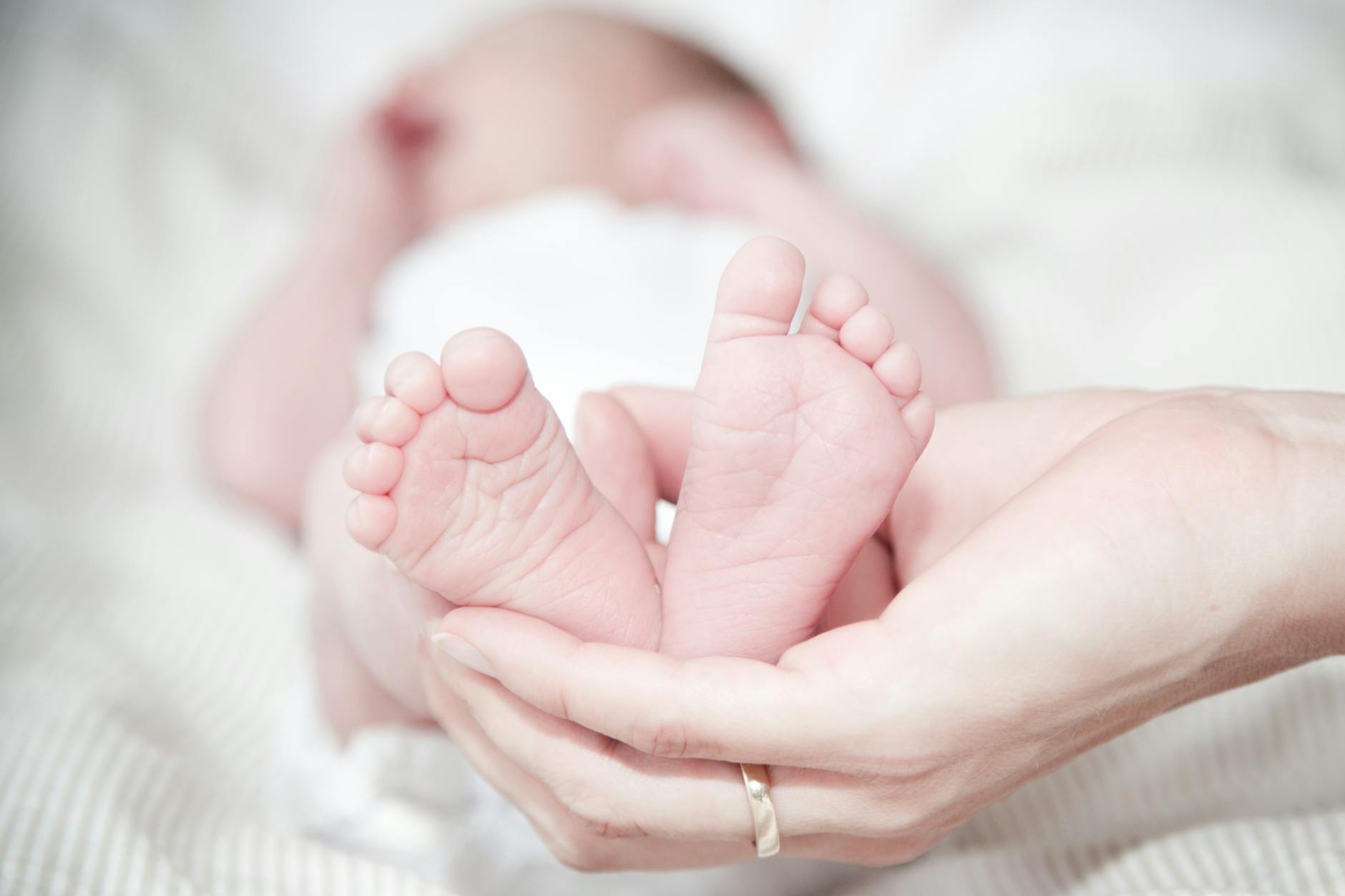
First Steps:
Taking flight towards autonomy
In this year 2026, we understand better than ever that walking is not a race, but a neurological and physical symphony unique to each child.
More than a movement, a cognitive revolution
Seeing your child stand up on their two legs for the first time is a moment suspended in time for any parent. It is the culmination of months of invisible preparation, where every muscle, every neuronal connection has been patiently woven to defy gravity.
At Un Jour un Bébé, we see this stage as a transition toward a new form of awareness. By standing up, the baby changes their perspective on the world. Their field of vision expands, their hands are freed to explore, and their self-confidence awakens.
"Every child walks at their own time; some run before they walk, others observe before starting. The journey is what matters most."
The Path to Verticality
Before starting off without support, your child follows a fascinating path of muscle strengthening and balance.
Anchoring and rotation
It all starts with core mastery. Rolling over and the sitting position (see our page Sitting Baby) are the essential foundations.
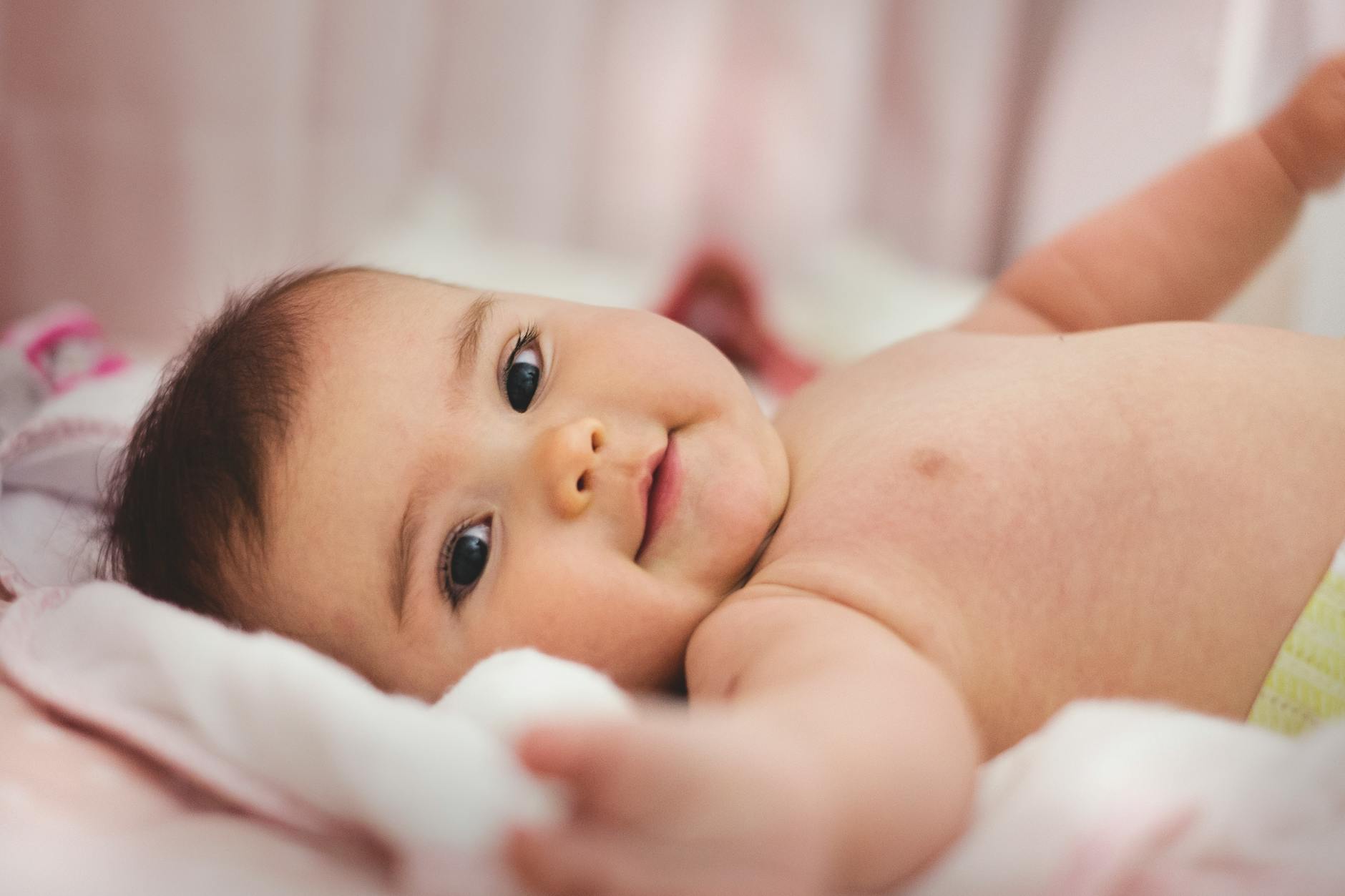
Horizontal exploration
Crawling and moving to all fours strengthens the hips and develops the cross-coordination necessary for walking.

Standing up
Baby uses furniture as leverage. They pull themselves up, experiment with standing with support, then begin "cruising" (walking along furniture).
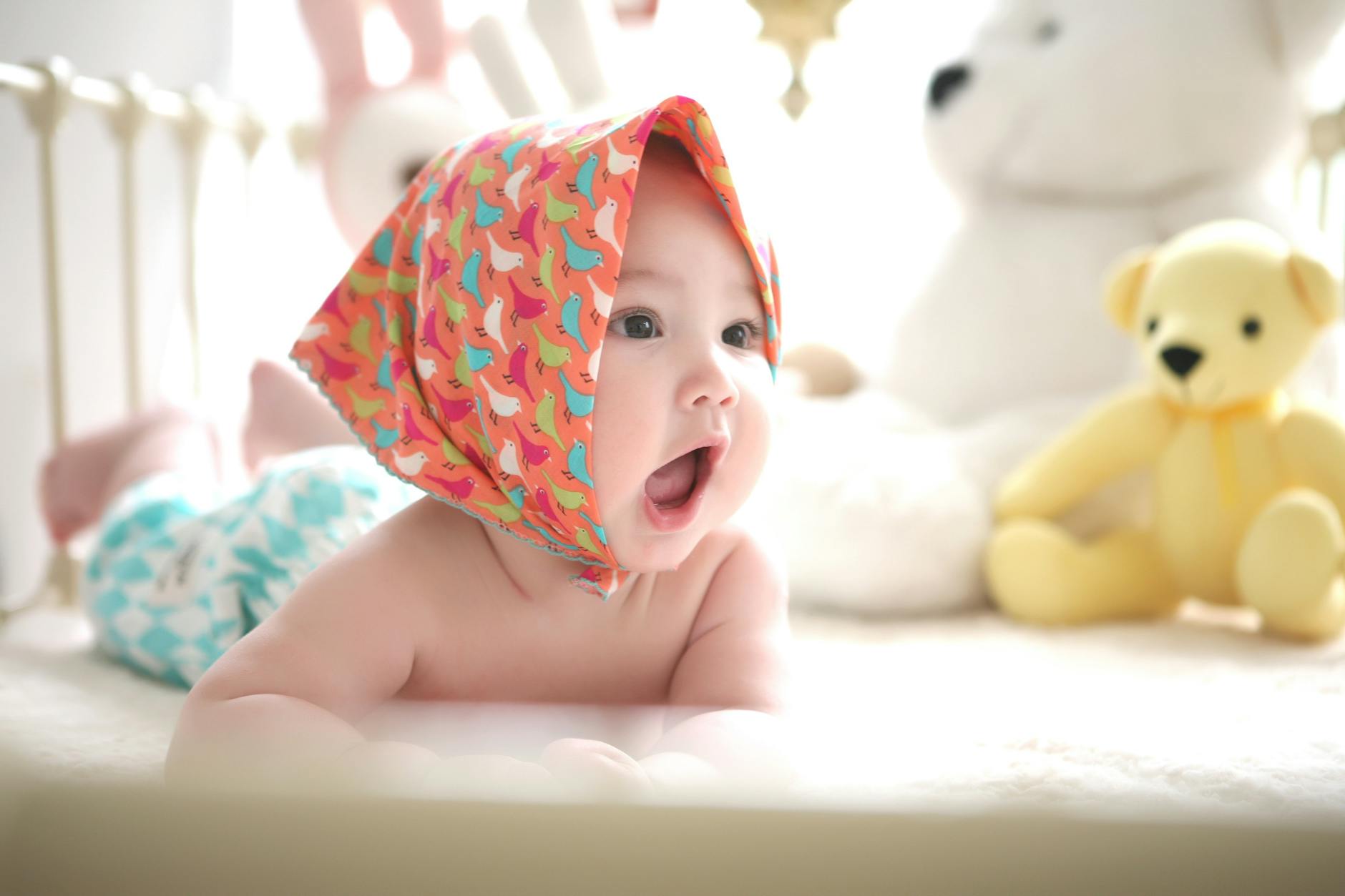
Is my child ready for the big leap?
This little educational simulator helps you identify if the physiological and psychological prerequisites are met. Check the steps observed in recent days.
Readiness Index
Select the observed steps to see the analysis.
Decoding the urge to walk
Beyond physical abilities, walking is a matter of temperament. Some babies are "stuntmen" who start without fear of falling, while others are "analysts" who wait until they are perfectly sure of their balance.
-
✓
Exploratory persistence
Baby is no longer satisfied with what is within reach on the ground. They point upward, looking to see what is on the table.
-
✓
The balance test
You notice them letting go for a fraction of a second before suddenly catching themselves. This is their brain calibrating the vestibular system.
-
✓
Emotional independence
They suddenly refuse your hand. This is a sign of maturation in their attachment bond, giving them the security needed to move away.
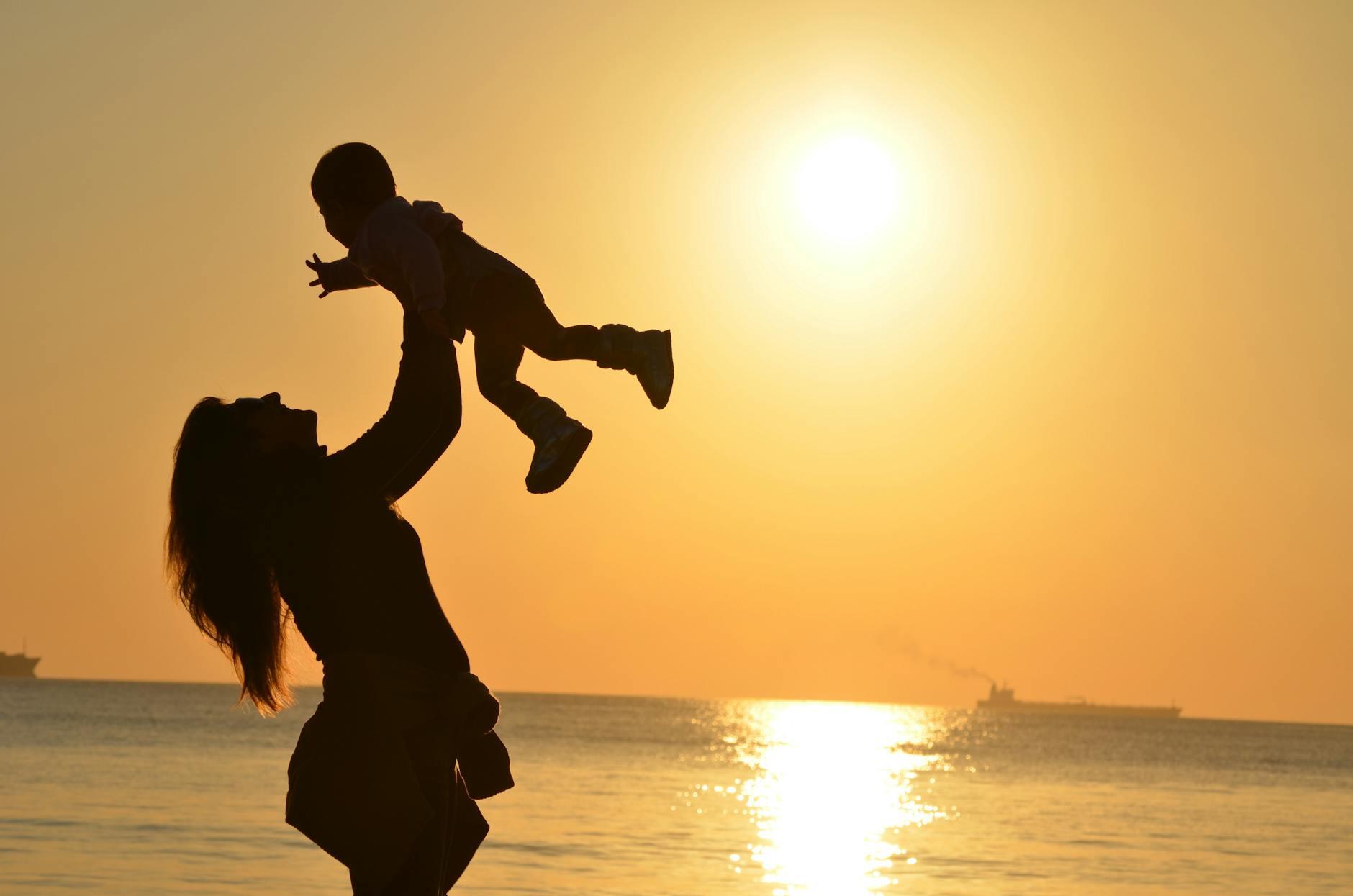
Preparing the arena for their achievements
Safe floor
Eliminate slippery rugs. Opt for surfaces with slight grip, but not too soft so as not to hinder stability.
Protected corners
At baby's height, everything is a potential danger. Secure coffee table corners where they might hit themselves during a fall.
Support points
Ensure heavy furniture is fixed to the wall. Baby will pull on everything they can to stand up.
Zero obstacles
Put away small toys that might be lying around (Legos, small cars). A fall on a hard object is more discouraging than a fall on the bottom.

The Case for Bare Feet
In 2026, podiatric science is formal: for learning to walk, nothing beats bare feet. Nerve endings under the soles of the feet send crucial information to the brain about ground texture, pressure, and tilt.
The muscles of the plantar arch strengthen naturally without constraint. If the floor is cold, opt for non-slip socks or ultra-flexible leather slippers that act like a second skin.
Choosing the first shoes wisely
Flexible sole
It should be able to bend easily with two fingers. A sole that is too rigid prevents the natural rolling of the foot.
Support, not restriction
The ankle should be supported but not imprisoned. The shoe should protect the foot without hindering the movement of the joint.
Breathable materials
Soft leather or high-quality canvas allow perspiration to escape. Avoid synthetic materials that promote irritation.
The right size
Leave about 1 cm of space at the end. Babies' feet grow in spurts; check the size every two months.
Stopping misconceptions
The baby walker helps walk faster
FALSE. This is undoubtedly the most persistent myth. Baby walkers are discouraged by most pediatricians. They place the child in an artificial vertical position, strain the hips incorrectly, and prevent the child from seeing their own feet move. Moreover, they present risks of tipping over on stairs.
You should hold their hands up to help them
TO BE AVOIDED. Walking with arms in the air is not a natural position for a child. This shifts their center of gravity forward and doesn't teach them to find their own balance. Prefer offering your hands at their height for them to grip if they wish, or better yet, let them hold onto furniture.
When to consult a professional?
Every child is unique, but some signs deserve special attention from your pediatrician or a psychomotor therapist.
Absence of walking at 18 months
The window for independent walking is wide (from 10 to 18 months). If by a full 18 months your child has not yet taken their first steps alone, a general health check-up is recommended to rule out any motor or neurological delay.
Marked asymmetry
The child seems to use one leg much more than the other or constantly drags one foot.
Excessive falls
Abnormal difficulty getting back up or violent loss of balance without an apparent reason.
Toe walking
If it is systematic and permanent beyond the first weeks of attempts.
Frequently Asked Questions
My baby crawls very fast, is that why they aren't walking? +
What activities can I do to stimulate walking? +
Should they wear shoes indoors? +
Celebrate every small victory
First steps are not just a milestone in the health record; they mark a symbolic stage of separation. Your child becomes a "toddler," a little explorer who can now move away from you on their own initiative.
Greet their falls with calmness and their successes with joy. In this year 2026, remember that your caring presence is the best support. If you would like to know more about the previous or subsequent stages, feel free to consult our full Growth calendar.