The Attachment Bond: Anchor of Life
Much more than just an emotion, the attachment bond is the invisible foundation upon which your child will build their confidence, resilience, and relationship with the world. In 2026, we know that this connection is the most beautiful birth gift.

What is the attachment bond?
The attachment bond is not a one-way feeling from adult to child (often called the emotional bond), but an interactive relationship. It is the baby's biological security system. Since human infants are born particularly vulnerable, nature has provided a powerful mechanism to ensure survival: the search for proximity to a protective figure.
A secure base
Like a port for a ship, the parent is the place where the baby returns to recharge after exploration.
A survival engine
Crying and smiling are innate signals to attract and maintain proximity to the caregiver.
Mutual regulation
The baby's brain "calibrates" to the adult's to learn how to manage their own emotions.
The Attachment Timeline

0 to 3 months: Pre-attachment
From the first days, the baby exhibits social behaviors. They recognize their parents' scent and voice, but generally accept care from any kind adult.
Focus: This is the period when archaic reflexes play a key role in interaction.
3 to 6 months: Emergence
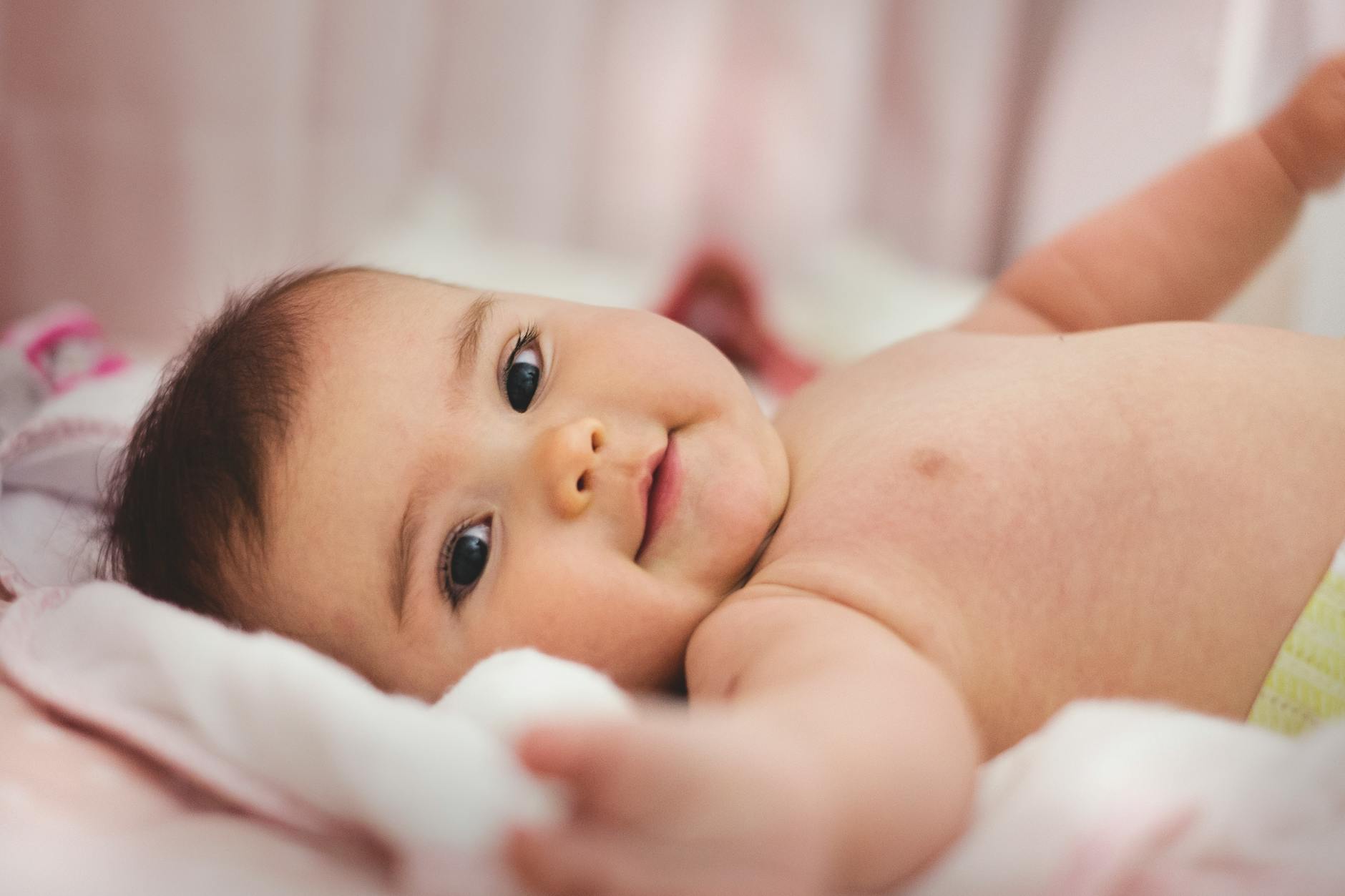
Around 3 months, the baby begins to make a clear distinction. Their smiles become more "selective." They calm down faster in the arms of their primary attachment figures.
- Appearance of the intentional social smile.
- Beginning of gaze synchronization.

6 to 12 months: Clear attachment
This is the "separation anxiety" phase. The baby has a preferred attachment figure and fears strangers. Paradoxically, this is a sign that the bond is strong. They understand object permanence: mom or dad exists even when they are not there.
At this age, between 7 and 9 months, the need for proximity becomes mobile.
The Neuroscience of the Heart
When a parent responds gently to their child's cries, a complex hormonal cocktail is released. The baby's brain is flooded with **oxytocin**, the bonding hormone, which acts as a shield against **cortisol** (the stress hormone).
Brain Development
Secure attachment promotes the growth of the hippocampus, a key area for memory and learning.
Strengthened Immunity
The feeling of physical and emotional security stabilizes the infant's nascent immune system.
Social Intelligence
By being understood, the child learns to understand others. This is the foundation of empathy.
Simulator: Understanding Baby's Signals
Every interaction is a brick in the structure of attachment. Test your reflexes in everyday situations.
Your 4-month-old baby starts whimpering while you've just put them down to prepare their bottle. What do you do?
Analysis of your style
5 Gestures to Cultivate the Bond

Physical Contact
Skin-to-skin contact isn't just for the first days. Regular cuddles maintain high oxytocin levels.

Visual Attunement
Looking at your baby with full attention, without distraction (smartphone), tells them "You are important to me." This is the very essence of awakening.

Sensitive Response
Responding to babbles like a real conversation. Discover the art of baby language to communicate better.

Predictability
Routines (bath, bedtime) create a reassuring framework. A predictable world is a secure world for the infant.

Free Play
Sitting on the floor and following the child's lead in their motor discoveries strengthens their confidence.
Did you know?
It's never too late to repair a bond. Attachment is plastic and evolves with you.
Separation and Childcare: Keeping the Bond
"Will he forget me at daycare?" "Will the bond break?"
These worries are universal. Yet, attachment is not exclusive. A child can (and should) develop secondary bonds with their educator or nanny. This "attachment network" multiplies their security resources.
The important thing is not the time spent together, but the quality of the reunions. The ritual of "reconnecting" is as important as that of "leaving".
When the bond is tested
Sometimes, life presents obstacles. Recognizing these difficulties is the first step toward healing.
External obstacles
- ● Prematurity: Hospitalization and early birth examinations can delay physical contact.
- ● Postpartum Depression: It creates an emotional "veil" that makes attunement difficult. This is not the parent's fault.
- ● Social Isolation: Without a "village," the parent becomes exhausted, and their emotional availability decreases.
Support solutions
- ● Parent-Child Therapy: A space to relearn how to observe and understand each other.
- ● Support Groups: Sharing experiences reduces guilt and restores confidence.
- ● Home Help: Delegating housework to focus solely on the emotional bond.
Your questions about attachment
Can you "carry" a baby too much and harm their autonomy? ↓
This is one of the biggest myths of parenting. In reality, it's the opposite: the more a child feels secure and fulfilled in their need for proximity, the more they will have the courage to venture out and explore. Autonomy is born from a well-lived dependency. At 10 or 12 months, you will see that a secure child moves away more easily to play because they know you are there if needed.
Is the bond with the second parent different? ↓
There is no absolute biological hierarchy. Attachment is built through interaction. The second parent builds their own bond through daily care, play, and comfort. Baby can have several strong attachment figures who complement each other beautifully.
How do I know if my baby is "well attached"? ↓
Signs of secure attachment are not the absence of crying, but the child's ability to be comforted by you. If they look to you when they discover something new or if they hide in your legs when facing a stranger, the bond is working perfectly.
Support every step of their development
The attachment bond is the foundation that will later allow your child to take their first steps with pride.