Supporting every heartbeat of life.
Welcome to Un Jour un Bébé. We transform the doubts of new parents into serene confidence through scientific and aesthetic guidance, from the first hours to the first steps.
A holistic vision of development
The passage from intra-uterine life to the wide world is one of the most spectacular journeys in human existence. At Un Jour un Bébé, we believe that motor development is not just a series of dates to check off a calendar. It is a symphony of movements, a progressive conquest of space and self. Inspired by the work of Michèle Forestier, we emphasize the quality of movement rather than its precocity.
Scientific Rigor
All our information is validated by early childhood experts and based on the latest studies in neuro-development.
Kind Sensitivity
We understand the doubts parents face. Our tone is always reassuring, never guilt-inducing.
Premium Aesthetics
A clean design for calm reading, because the substance deserves an exceptional form.

Essentials for the Welcome
Welcoming a child requires careful preparation, not just to accumulate objects, but to create a sanctuary of safety. From the first days, the choice of hygiene products is crucial.
- 01. Natural products: Prioritize care without endocrine disruptors, certified organic, adapted to the porous skin of a newborn.
- 02. Hygiene routine: An ergonomic changing area to avoid parental strain and promote visual interaction with the child.
- 03. Care kit: Rectal thermometer, sterile compresses, physiological saline solution, and an aspiration nasal aspirator.
The Bathing Ritual
Bathing isn't just a hygiene act; it's a return to familiar aquatic sensations. Maintain a water temperature of 37°C and a room temperature of 22-24°C.
"The swaddled bath, using a muslin, helps reassure the baby by helping them rediscover their physical boundaries."
Safety First
Never take your eyes off your child, even for a second. Organizing your changing area is your best ally.
View health examinations →Creating a sensory cocoon
A baby's physical environment directly influences their emotional state and the quality of their sleep.
Textiles and Materials
Prioritize organic cotton and natural fibers like merino wool for their thermoregulating abilities. Avoid overloading the bed with plush toys to prevent any risk of suffocation and to promote free breathing.


Light & Sound
A dimmed atmosphere in the evening promotes melatonin secretion. Use soft white noise or nightlights with a red/orange spectrum to avoid disrupting sleep cycles.

Air & Temperature
A healthy bedroom temperature is between 18°C and 20°C. Air the room daily for 10 minutes, even in winter.
"Space is the first teacher."
The arrangement of furniture must allow the child to see their environment without being overwhelmed by too much visual stimuli.
Developmental Stages Simulator
Select your child's age to discover typical motor milestones and how to support them with kindness.
The time of reflexes
At 1 month, your baby is primarily guided by archaic reflexes. Their axial muscle tone is still weak, but their senses are awakening.
Focus: Gaze
They begin to follow a high-contrast object with their eyes in a short arc.
Recommended posture
Supervised Tummy Time to strengthen the neck muscles.

90% of the time
Sleep & Calm Wakefulness
"The art of not rushing things"
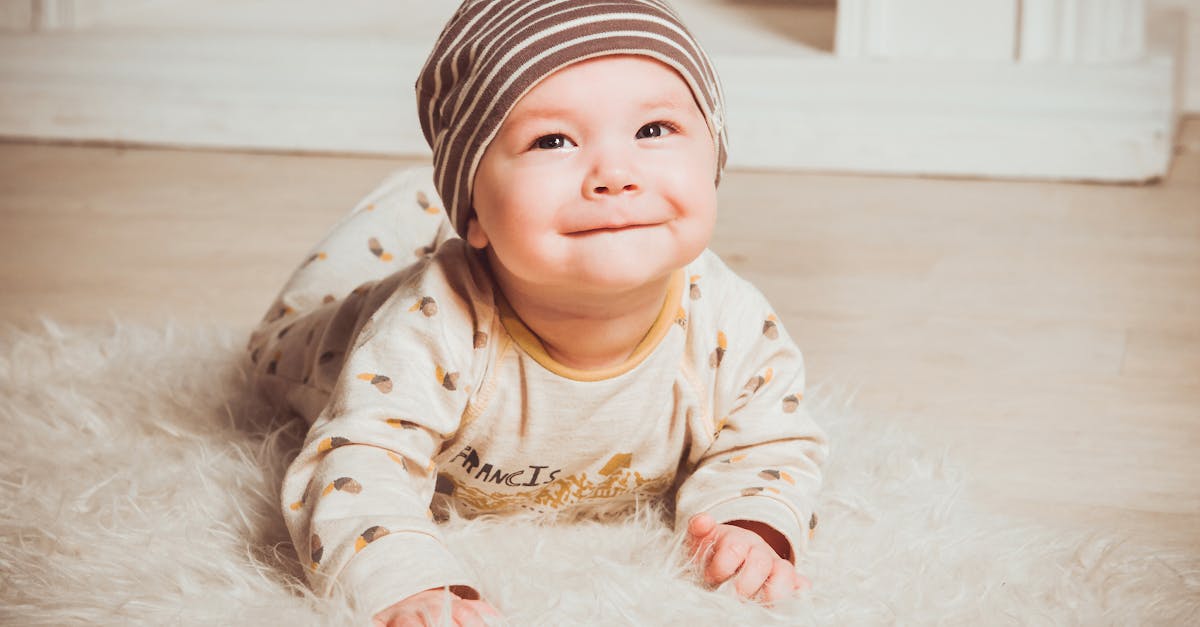
Based on the approach of physiotherapist Michèle Forestier, we advocate for qualitative progression. Before walking, a baby must master a multitude of postural transitions that strengthen their back, hips, and confidence.
The importance of floor time
The floor is the richest playground. Avoid prolonged time in bouncers that limit spontaneous rolling.
Sitting: a consequence, not a goal
A baby sitting up should have achieved it through their own efforts (often from crawling or their side) to ensure a strong back.
Crawling: the brain's architect
The transition to crawling promotes the coordination of the brain's hemispheres and visual convergence.
Explore the world, no matter the weather
Going outdoors is essential for sensory awakening and regulating the circadian rhythm. However, a baby's thermoregulation system is still immature. In 2026, smart textiles facilitate these transitions, but the fundamentals remain the same.
Winter & Cold
The "layers" rule: one more layer than you. Don't forget the extremities (hat, mittens, booties) but be careful not to overheat the baby indoors.
Summer & Sun
No direct sun exposure before 1 year old. High-protection mineral sunscreen, category 4 sunglasses, and light UV-protective clothing.

Travel advice:
Always carry an organized diaper bag with two full changes and enough to keep the baby hydrated at all times.
The perspective of professionals
✓ To encourage
- Free movement: Letting the child discover their abilities without placing them in a position they haven't mastered yet.
- Skin-to-skin contact: Even after birth, to regulate stress and strengthen the attachment bond.
- Dialogue: Explaining each care step aloud to reassure the child.
✕ To avoid
- The baby walker (Youpala): Strongly discouraged by physiotherapists because it creates false support and delays natural walking.
- Screens: No exposure before 3 years old to preserve brain and visual development.
- Trying to force walking: Do not hold the baby by their hands to make them walk, as this shifts their center of gravity forward.
Frequently Asked Questions
When will my baby take their first steps? ↓
The average is between 12 and 15 months, but the normal range extends from 9 to 18 months. What matters is the quality of the previous stages (crawling, scooting).
Should I put shoes on my baby as soon as they stand up? ↓
Bare feet are ideal for the development of sensory receptors and the arch of the foot. Shoes are only for protection outdoors or from the cold.
What activities stimulate sensory awakening? ↓
Consult our dedicated guide on baby's sensory awareness for simple sensory play ideas.
Ready for the next step?
Track your child's progress month by month with our personalized tracking tools.
